
New Construction vs. Existing Home Financing
A newly built home may look like a simpler purchase, but its financing runs on a longer, riskier timeline than buying an existing home. Rate locks, appraisals, and builder incentives all work differently when the home is not finished yet.
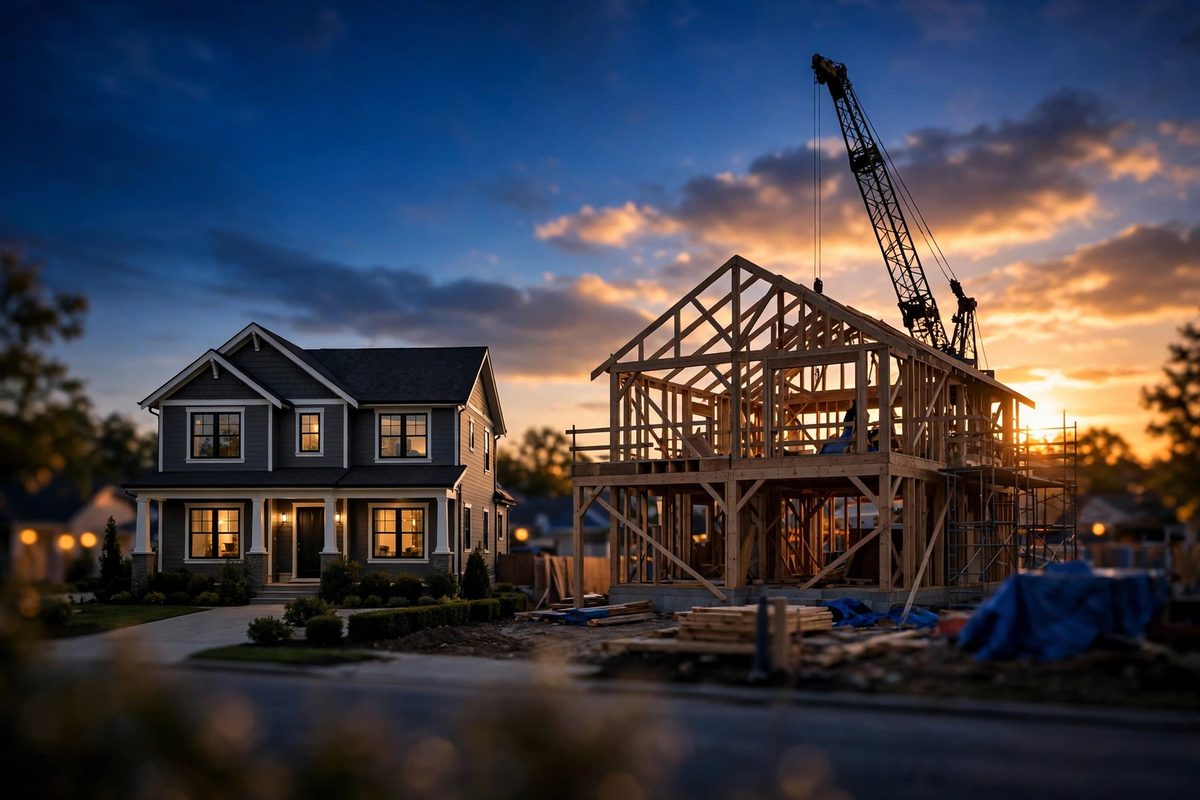
Buying a brand-new home has obvious appeal: modern layouts, warranties, energy efficiency, and no previous owner's surprises. What surprises many buyers is how different the financing feels. An existing home might go from contract to closing in 30 to 45 days. A new build can take six months or more, and nearly every financing decision, from your rate lock to your appraisal, has to account for that long, uncertain gap between signing and moving in.
Rate locks on a long timeline
Standard rate locks last 30 to 60 days, which covers a typical resale closing. For new construction, that is nowhere near enough. Buyers often need extended locks of 90, 180, or even 360 days, and lenders charge for that insurance through a slightly higher rate or upfront fees, because they are taking on more risk that markets will move. Some builders' preferred lenders offer lock-and-shop or float-down options that let you improve the rate once if markets fall before completion. Read our mortgage rates guide before choosing, because the cheapest headline rate on a short lock can become the most expensive loan if it expires mid-build and must be re-locked at worse pricing.
Builder incentives and preferred lenders
Production builders commonly offer incentives: design credits, closing cost contributions, or rate buydowns, often tied to using their preferred lender or an affiliated builder-owned lender. These deals can be genuinely valuable, especially temporary buydowns that cut your payment for the first year or two. But incentives are not automatically the best deal. Get a competing quote from an outside lender, compare total costs side by side, and model the payments on the mortgage payment calculator. A large credit paired with a higher rate or padded fees can quietly cost more than a smaller credit on clean pricing.
Appraisals on homes that do not exist yet
For an existing home, the appraiser walks through a finished property. For new construction, the first appraisal is based on the plans, specifications, and comparable sales, essentially valuing a drawing. A final inspection then confirms the home was built as described before closing. The risk: if the finished home appraises below the contract price, perhaps because the local market softened during the build or because expensive upgrades do not add matching value, you may need extra cash or renegotiation. Keeping upgrades focused on things appraisers recognize, like square footage and bedroom count, rather than purely personal finishes, reduces this gap risk.
Spec homes vs. custom builds
Financing also depends on what kind of new home you buy. A spec home, built by the builder before a buyer is found, or a quick-move-in home in a subdivision, usually finances like a normal purchase with a standard mortgage at completion. A custom home built on your lot to your plans typically requires a construction loan instead, with draws during the build and a very different cash timeline. Some tract builders also require larger deposits and stricter milestone payments than resale sellers, so review the builder's contract for deposit refund rules before you commit.
Costs people forget
New homes carry a few expenses existing homes may not: window coverings, landscaping completion, fences, and sometimes higher property taxes once the county reassesses the finished property instead of the empty lot. If your build timeline stretches and you are paying rent or an interest-only arrangement elsewhere in the meantime, model those carrying costs too. Our interest-only mortgage calculator can help estimate interim interest expenses. The bottom line: new construction can be a wonderful buy, but shop the loan as carefully as the floor plan, secure a lock strategy that survives delays, and keep a cash cushion for the appraisal gap and finishing costs that a sales office brochure rarely mentions.
Keep reading
 Market & Advanced Topics
How the Fed Affects Mortgage Rates
Learn how Federal Reserve decisions influence mortgage rates, why rates can rise after a Fed cut, and what to …
 Market & Advanced Topics
Spring Homebuying Season Guide
Spring brings more listings and more competition. This playbook covers inventory, pricing patterns, and a prep…
 Market & Advanced Topics
Highest and Lowest Property Tax States
New Jersey's effective property tax rate is about eight times Hawaii's. Compare the highest and lowest tax sta…
Frequently asked questions
How long can I lock a rate for new construction?
Are builder incentives from preferred lenders a good deal?
What happens if my new home appraises low?
Is financing a spec home different from a custom home?
Sources & further reading
- Consumer Financial Protection Bureau — Owning a Home hub
- Federal Housing Finance Agency (FHFA)
- Federal Reserve — consumer resources
Official sources for program rules and consumer rights. Zorvex is not affiliated with these agencies; figures here are estimates for education.