
Down Payment Assistance: The Complete Guide to Getting Help
Thousands of down payment assistance programs operate across the US, run by states, cities, counties, nonprofits, and employers. Here is how the main types work and how to combine them with your loan.
Why Assistance Programs Exist
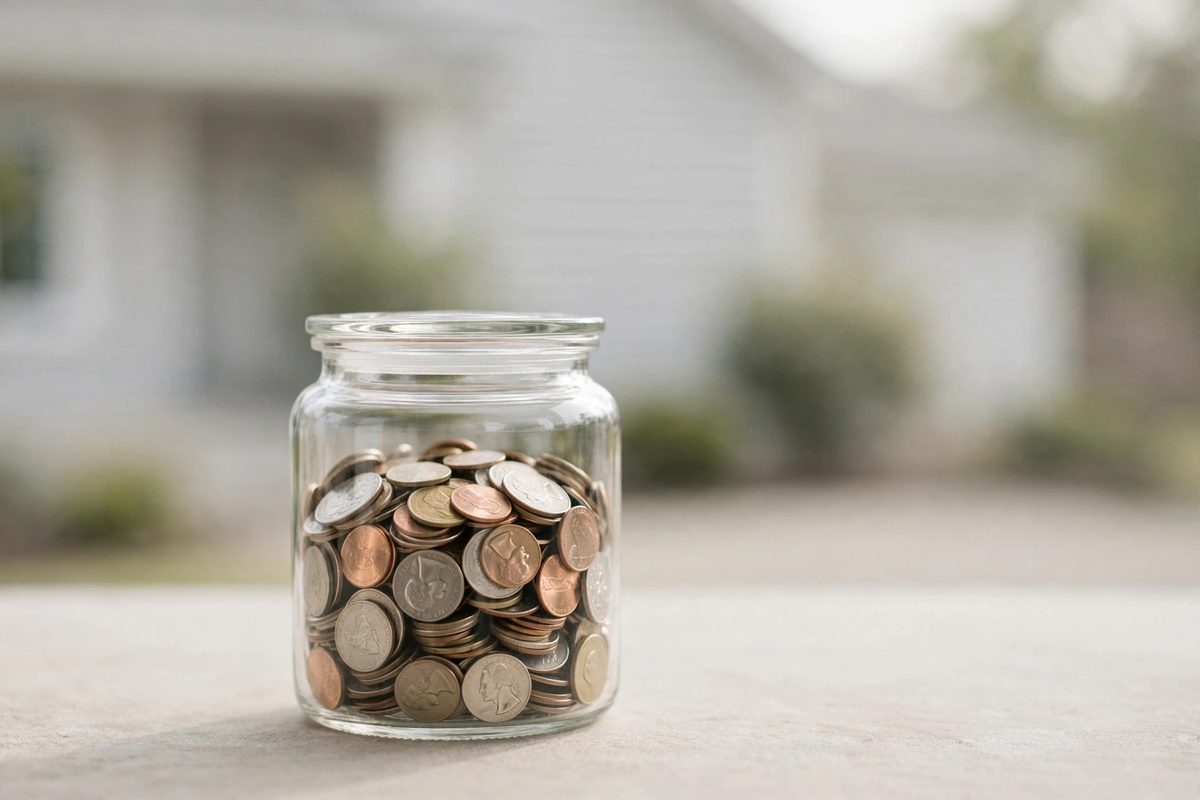
For many households, the monthly payment on a home is affordable — it is the upfront cash that blocks the purchase. Down payment plus closing costs on a modest home can run $15,000 to $30,000. Assistance programs bridge that gap. They are offered by state housing finance agencies, local governments, nonprofits, community lenders, and some employers, and there are thousands of active programs nationwide.
The Four Main Types of Assistance
- Grants: Money you never repay, as long as you follow program rules. Grants are the least common and often the most competitive type.
- Forgivable loans: A second loan, often at 0% interest, that is forgiven gradually — for example, 20% per year over five years — as long as you keep living in the home. Sell or move early and you repay the unforgiven balance.
- Deferred-payment loans: A silent second mortgage with no monthly payment, due in full when you sell, refinance, or finish paying off the first mortgage. These preserve your monthly budget but reduce the equity you take out later.
- Low-interest repayable loans: A small second loan with a modest payment over 5–15 years. It adds to your monthly obligations, so it counts in your debt-to-income ratio.
Who Qualifies?
Eligibility varies by program, but common requirements include income limits tied to area median income, a maximum purchase price, completion of a homebuyer education course, minimum credit scores (often in the low-to-mid 600s), and owner-occupancy. Many programs require the home to be your primary residence and some restrict eligible property types. Our down payment guide explains how these pieces fit together.
Stacking Assistance With Loan Programs
Assistance is designed to layer on top of a first mortgage. Common combinations include:
- FHA + state DPA: The assistance covers the 3.5% FHA minimum down payment. Test the payment with the FHA mortgage calculator.
- Conventional 3% down + employer assistance: Employer grants can cover the down payment while you keep PMI cancellable later.
- VA or USDA + closing cost help: Both already allow 0% down via the VA mortgage calculator and USDA mortgage calculator programs, so assistance is often aimed at closing costs instead.
Not every lender works with every program, and layering assistance can extend closing timelines by a week or two. Ask lenders directly which programs they support before applying, and confirm program funding is still available — some popular programs exhaust their budgets.
Where to Look
- Your state housing finance agency website.
- Your city or county housing department.
- HUD's directory of local homebuying programs.
- Your employer — large employers, hospitals, universities, and municipalities often offer assistance.
- Nonprofits and community development lenders active in your area.
Finally, use the down payment calculator to see how much of a gap you actually need to fill — many buyers discover they need less help than they assumed, and less assistance usually means fewer strings attached.
Watch for These Trade-Offs
Assistance is rarely completely free of consequences, even when the money itself is forgiven. Some programs place a soft limit on your interest rate or require you to use a specific first-mortgage product with slightly higher pricing. Others file a lien that must be satisfied before you can take a home equity loan later. Deferred loans also mean you start with less equity than the home's price suggests, which matters if you need to sell within the first few years.
Recapture taxes deserve a mention too. A small number of programs — particularly those tied to Mortgage Credit Certificates or below-market bond-funded loans — include a federal recapture provision that can apply if you sell within nine years at a large gain while your income has risen substantially. In practice, the tax rarely ends up being owed, but you should know it exists and keep the disclosure paperwork your lender gives you at closing.
None of these trade-offs automatically make assistance a bad deal. For most buyers, getting into a home years earlier with a manageable payment outweighs the restrictions. The goal is simply to walk in with open eyes: ask how much you receive, what you owe if you move in year two, and what happens when you refinance — before you sign anything.
Keep reading
 Buyers & Loan Programs
First-Time Buyer Programs by State: What Your State Housing Agency Offers
Every state runs first-time buyer programs with down payment help and tax credits. See how state housing agenc…
 Buyers & Loan Programs
FHA vs Conventional Loans: Which One Should You Choose?
FHA vs conventional loans compared on down payment, credit scores, mortgage insurance, and total cost. See whi…
 Buyers & Loan Programs
VA Loan Benefits Most Veterans Never Use
Beyond zero down: VA loans offer assumable loans, no PMI, funding fee exemptions, and reusable entitlement. Ex…
Frequently asked questions
Is down payment assistance free money?
Does using assistance hurt my chances of approval?
Can I use assistance if I am not a first-time buyer?
Can assistance cover closing costs too?
Sources & further reading
- Consumer Financial Protection Bureau — Owning a Home hub
- Federal Housing Finance Agency (FHFA)
- Federal Reserve — consumer resources
Official sources for program rules and consumer rights. Zorvex is not affiliated with these agencies; figures here are estimates for education.